Institutional Context
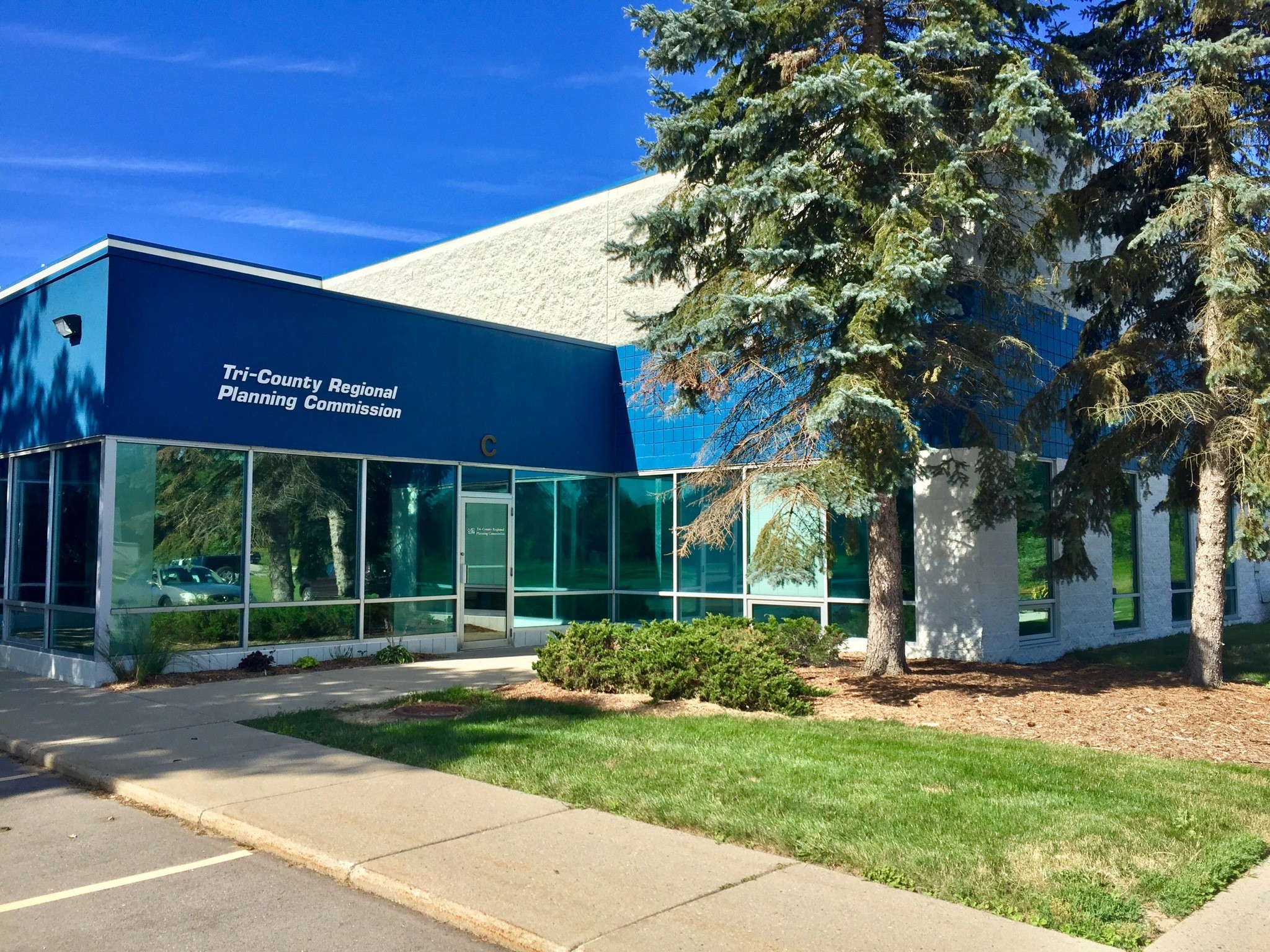
The Tri-County Regional Planning Commission (TCRPC) is the federally designated Metropolitan Planning Organization (MPO) and regional Council of Governments serving Ingham, Eaton, and Clinton counties. Composed exclusively of elected officials, the Commission exercises statutory authority over federally required regional transportation planning, economic development strategy, and intergovernmental coordination for a region of nearly 500,000 residents across 75 municipalities.
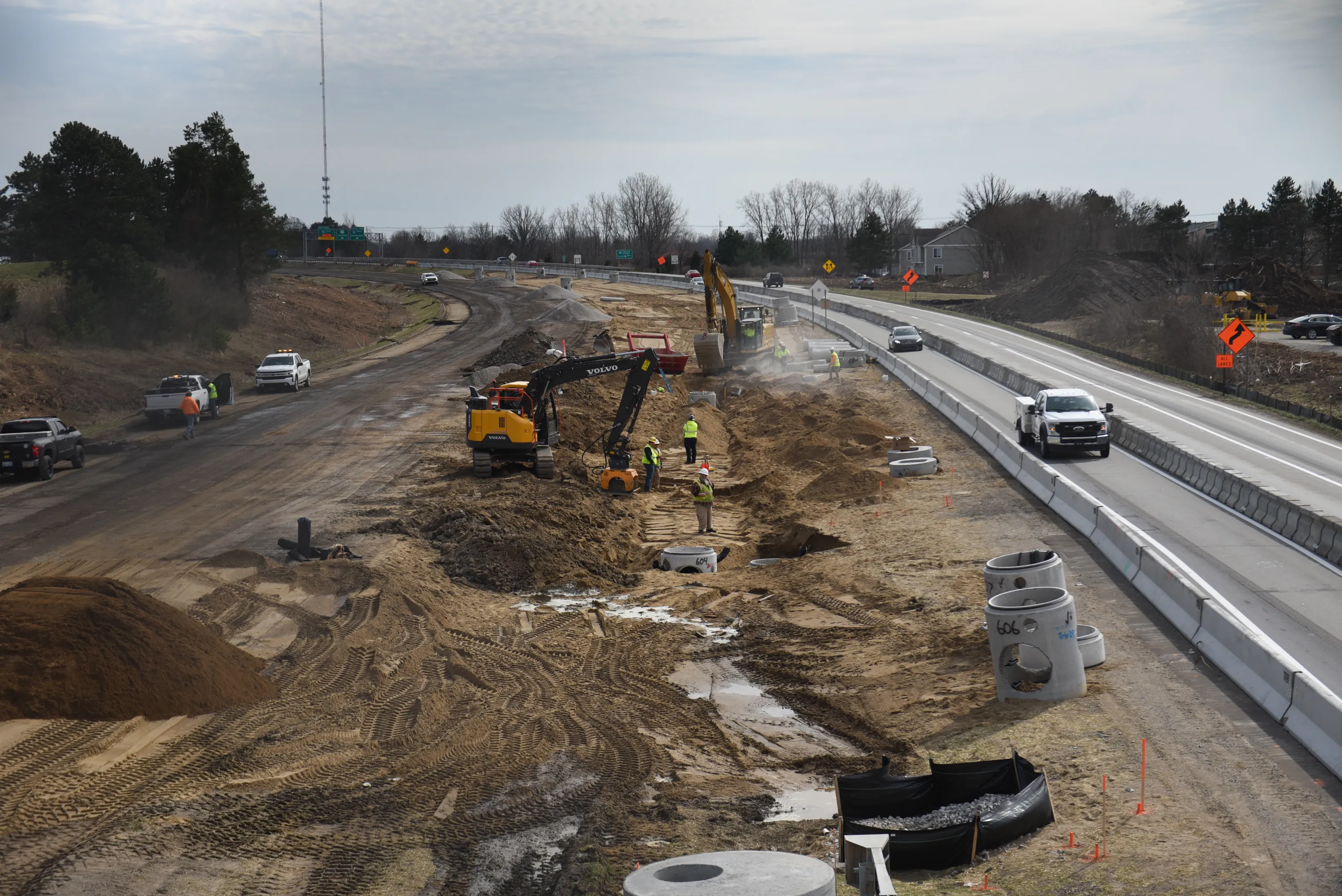
Through adoption of the Transportation Improvement Program (TIP) and related federally required planning documents, the Commission authorizes and conditions eligibility for hundreds of millions of dollars in federal and state transportation investment, directly shaping regional infrastructure priorities and long-range economic outcomes. The agency operates with an annual planning and administrative budget of approximately $4 million.
Role & Governance Mandate
As a Commissioner, Brown exercised statutory governance, fiduciary, and policy oversight responsibilities. This included approval authority over the Transportation Improvement Program, regional planning documents, agency work programs, and budgets, as well as participation in standing committees overseeing financial controls, consultant selection, and contractual compliance.